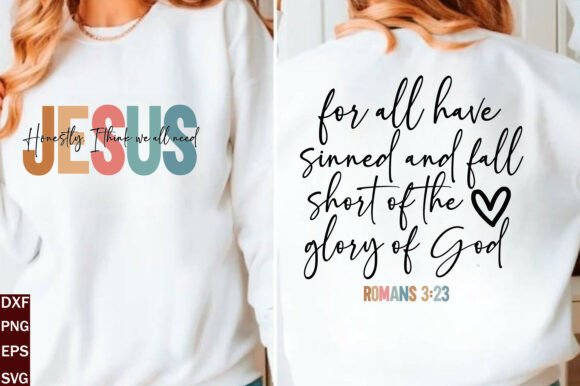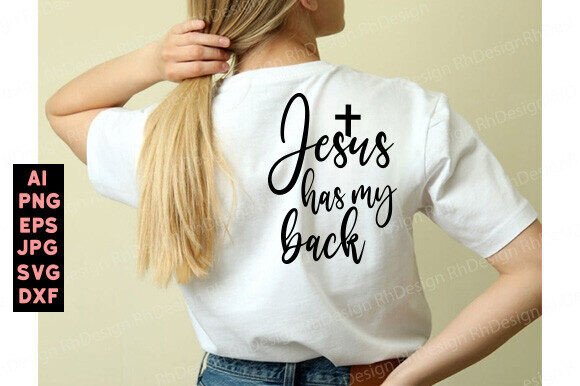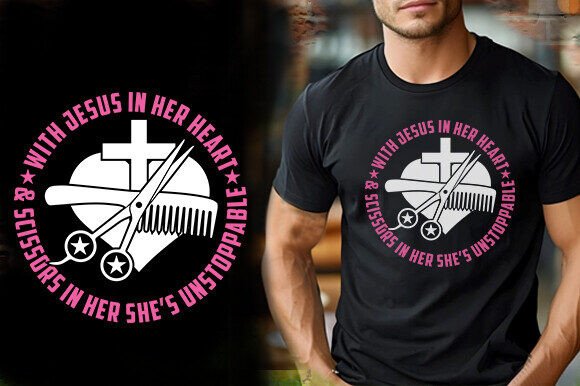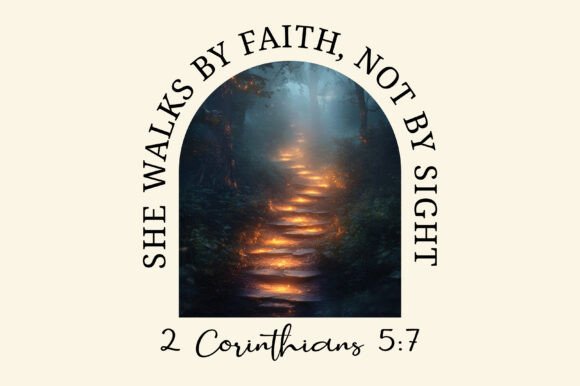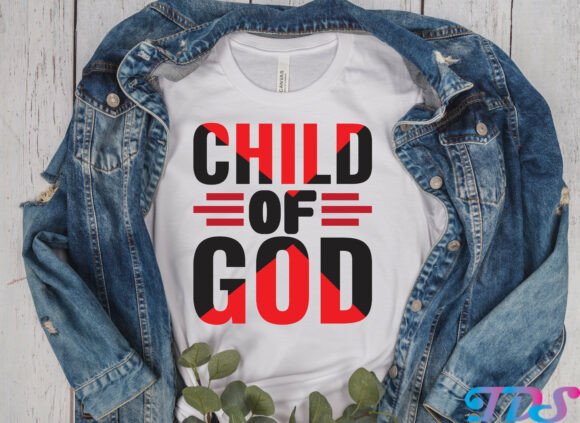
Child of God PNG, Bible SVG, Jesus PDF — T-Shirt Designs
First Impression: Warm, Reverent, and Visually Anchored
Opening this design bundle felt like flipping through a well-curated devotional journal—soft edges, intentional spacing, and a quiet confidence in its symbolism. Child of God PNG, Bible SVG, Jesus PDF delivers a cohesive visual language rooted in faith-based storytelling without leaning into cliché or over-saturation. The illustration style balances gentle line work with subtle texture—think hand-drawn reverence meets modern digital clarity. It’s not flashy, but it’s memorable; not minimal, but never cluttered. For a client project like a seasonal boutique launch for a handmade Christian apparel line—or a local church’s summer youth camp merch—I immediately saw how this asset could ground the entire visual identity.
Where It Shines: Real-World Design Applications
This is a versatile graphic design asset, especially when applied across tactile and digital touchpoints. As a t-shirt design, the central motif scales beautifully from toddler tees to oversized unisex fits—thanks to clean vector paths in the SVG and crisp transparency in the PNG. On product mockups, it holds presence without overpowering fabric texture or garment shape. In packaging design for greeting cards or gift boxes, it works as a subtle foil stamp or die-cut window accent. As a sticker design or sublimation design, the solid outlines and moderate detail translate cleanly onto vinyl, ceramic mugs, and tote bags.
For social media graphics, I dropped the SVG into Canva templates and layered it over muted linen textures—ideal for Instagram posts promoting a Bible study series or Pinterest pins for printable wall art. It also anchors editorial design well: think blog headers for faith-based content creators or newsletter banners for small business branding that values authenticity over polish. As part of a larger design bundle, it pairs naturally with complementary scripture-themed elements—cross motifs, dove silhouettes, or parchment-style borders—without competing for attention.
Best Fit Scenarios
- Hero graphics on landing pages or campaign banners where emotional resonance matters more than razor-thin minimalism
- Product mockups for Etsy shops or print-on-demand sellers targeting spiritually minded audiences
- Decorative accents in printable designs—like baptism invitations or Sunday school certificates
- Themed collections, especially around Easter, back-to-school faith programs, or new believer kits
- Cricut projects where cut precision and layer-friendly transparency are essential
Where to Proceed With Intention
This isn’t a one-size-fits-all creative design solution. Its warmth and symbolic weight mean it needs breathing room. Avoid placing it in crowded layouts—say, alongside dense body copy or multiple icons—where visual hierarchy blurs. On dark or complex backgrounds, test contrast rigorously: the fine linework can fade if not backed with a subtle drop shadow or light halo. It’s less suited for minimalist branding systems built on stark geometry or ultra-thin sans serifs—it leans into expressive humanity, not clinical neutrality.
I wouldn’t use it for corporate materials (e.g., investor decks or B2B SaaS platforms), nor for high-end luxury positioning where subtlety reads as ambiguity. And while it’s emotionally resonant, it doesn’t replace strategic logo design: it’s a supporting illustration, not a standalone mark. For professional marketing visuals, always pair it with clear typography—avoid script fonts that compete tonally; instead, try warm serif faces (like Merriweather) or grounded sans serifs (like Lato) to reinforce trust and readability.
Designer Notes You’ll Actually Use
Before dropping Child of God PNG, Bible SVG, Jesus PDF into a live client file, run these checks:
- Test in black and white—does the silhouette hold? Does detail collapse at small sizes?
- Preview on both light and dark backgrounds, especially for web or app UI use.
- Scale it down to 48px—is it still legible as a favicon or app icon? (Spoiler: likely not—reserve it for medium-to-large applications.)
- Place it on real mockups, not just flat previews—fabric drape, mug curvature, and sticker peel-back all affect perception.
- Confirm commercial licensing. This is non-negotiable for print-on-demand, Etsy product listings, or any digital product sold publicly.
- Inspect the PNG transparency—no fringing, no semi-opaque halos. A clean alpha channel is critical for t-shirt design and sublimation.
- Open the SVG in Illustrator—are layers labeled? Can you adjust stroke weight or recolor individual elements without breaking paths?
- Compare font pairings: try it beside serif, sans serif, display, and handwritten fonts—not just for aesthetics, but for emotional alignment and visual trust.
Why It Works for Real Client Projects
In my recent work with a small business branding a “Grace & Grain” line of handmade soy candles and scripture journals, this asset became the quiet heartbeat of the collection. It wasn’t the logo—but it was the recurring motif on jar labels, website banners, and Instagram story highlights. It elevated the visual hierarchy by anchoring each piece in meaning, not just decoration. Clients noticed it immediately—not as clipart, but as *intention*. That shift—from generic to resonant—is where Child of God PNG, Bible SVG, Jesus PDF earns its place in a professional toolkit.
It supports audience engagement not through novelty, but through recognition and comfort. It builds brand consistency without rigid repetition—because the SVG allows for thoughtful variation (color swaps, cropping, layering), while the PNG ensures pixel-perfect fidelity across platforms. And yes—it performs exceptionally well as a t-shirt design, especially when paired with soft cotton blends and earth-toned palettes. But its strength lies beyond apparel: it’s a commercial design asset that carries tone, tells quiet stories, and meets people where they are—visually, emotionally, and spiritually.